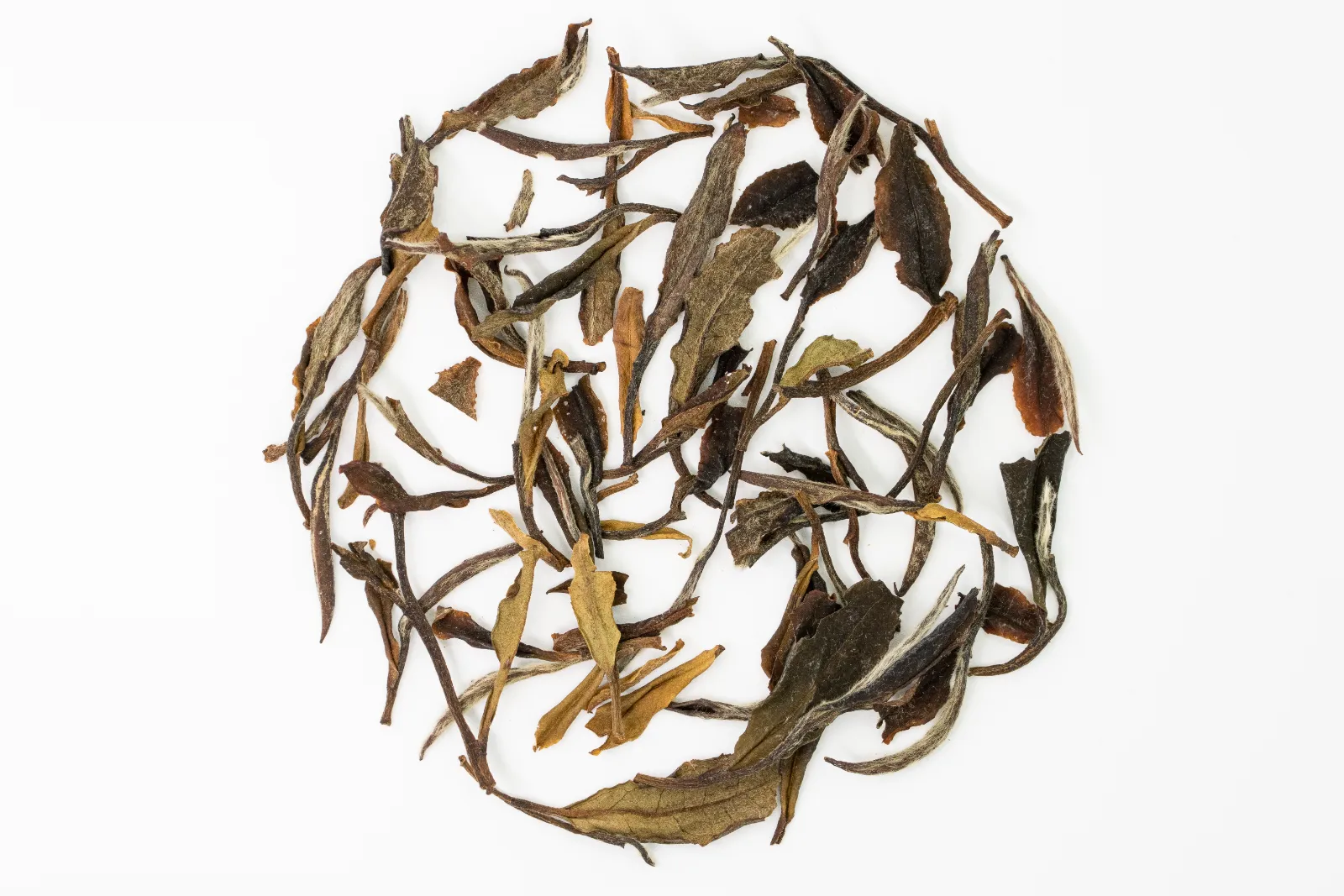
Lóngjǐ Hóng Chá龙脊红茶
Lóngjǐ Hóngchá
- Origin
- China, Guǎngxī Zhuāng Autonomous Region (广西壮族自治区, Guǎngxī Zhuàngzú Zì...
- Tea type
- Gaiwan
- Water temperature
- 90 °C
- Gongfu water temperature
- 93 °C
Provenance and specifications
- Origin
- China, Guǎngxī Zhuāng Autonomous Region (广西壮族自治区, Guǎngxī Zhuàngzú Zìzhìqū); Guilin Prefecture-level City (桂林市, Guìlín Shì); Longsheng Multi-ethnic Autonomous County (龙胜各族自治县, Lóngshèng Gèzú Zìzhìxiàn)
- Tea type
- Gaiwan
- SKU
- LONGJI-HONGCHA-CN
Brewing recipes
- Gongfu: 93°C, 5 g / 100 ml, 10s, 4 steeps
- Western: 88°C, 3 g / 200 ml, 180s, 2 steeps
Brewing, origin and taste notes
Brewing
- Tea amount
- 5–6 g per 100–120 ml (gongfu method). Large-leaf tea from ancient trees may require slightly more raw material than small-leaf tea.
- Teaware
- Porcelain gàiwǎn (盖碗) — for maximum aroma development. Yixing teapot — adds additional softness and depth. Glass teapot — allows observing large leaf opening.
- Water temperature
- 90 °C
- Gongfu water temperature
- 93 °C
- Tea amount
- 5 g
- Gongfu water volume
- 100 ml
Origin
- Tea type
- Red
- Soil
- Slightly acidic (pH 5.8–6.9), deep, loose, with high organic content. Mountain forest soils enriched by centuries of leaf litter.
Taste
- Dry Leaf Aroma
- Deep, warm — honey, nuts, dried fruits. In individual batches — light smokiness and coniferous overtone related to forest terroir specificity.
- Liquor Color
- From amber to red-chestnut, clear, bright, with golden rim.
- Spent Leaves
- Large, opened leaves; color — copper-brown, uniform. Leaves are fleshy, elastic, whole — sign of hand picking and careful processing.
- Sensory Source Descriptor Be Intensity
- 2
- Sensory Source Descriptor Ch Intensity
- 2
- Sensory Source Descriptor H Intensity
- 3
Details
- Picking
- Exclusively once per year — in April–May (Qingming period, 清明, and Guyu, 谷雨). Single annual harvest is a fundamental position of local producers, ensuring high raw material qual...
- Pluck Standard
- One bud and two leaves (一芽二叶, yī yá èr yè) — main standard. For premium batches — one bud and one leaf (一芽一叶, yī yá yī yè).
- Raw Material
- Leaves are collected exclusively from tree-form tea trees (not from shrub plantations); raw material must be fresh, whole, hand-picked.
- Alkaloids
- Caffeine — content in large-leaf raw material is usually higher than in small-leaf (approximately 3.5–5%); theobromine, theophylline — in trace amounts.
- Amino Acids
- L-theanine and other amino acids — content is elevated due to shaded mountain forest growth and single annual harvest (tree accumulates nutrients for a whole year).
- Minerals
- Potassium, magnesium, manganese, zinc, selenium. Mountain forest soils of Longji, enriched with centuries of organic litter, provide high microelement content.
Questions & answers
No published questions and answers yet.
Customer reviews
No reviews yet. Be the first to share your experience.
Write a review
Sign in to check whether this purchase is eligible for a review.
Buy this tea
Verified sellers and regional availability are resolved from the commerce network before any external seller page opens.
Seller trust: Only verified commerce-network records are shown; retailer identity, terms and freshness remain visible before you follow a route.
Verified offers are being prepared
Region coverage: China, Guǎngxī Zhuāng Autonomous Region (广西壮族自治区, Guǎngxī Zhuàngzú Zìzhìqū); Guilin Prefecture-level City (桂林市, Guìlín Shì); Longsheng Multi-ethnic Autonomous County (龙胜各族自治县, Lóngshèng Gèzú Zìzhìxiàn)
No verified public offer is available for this product yet. Add the tea to your request or check again after the retailer network sync.
Open the shop