Studio preview
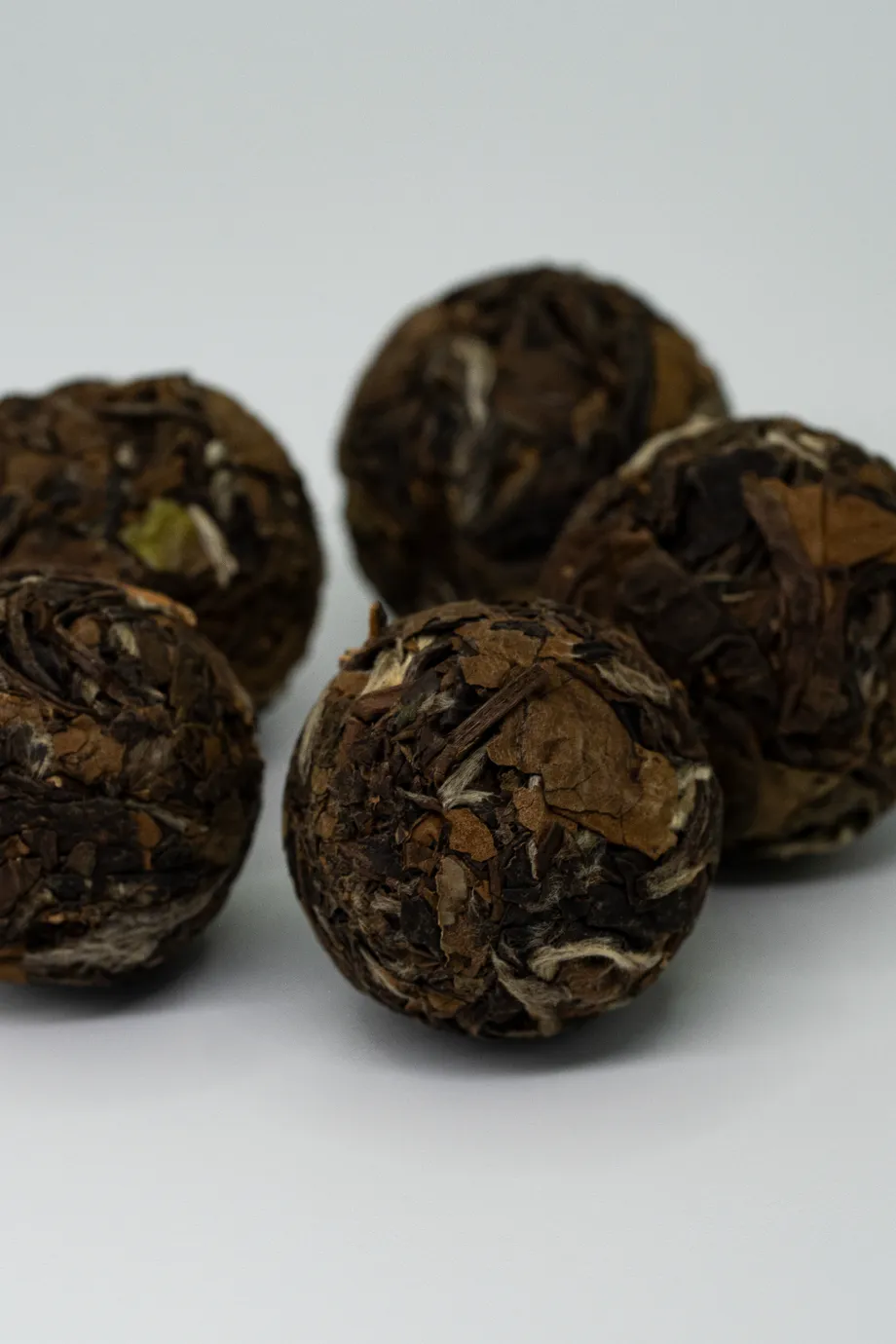
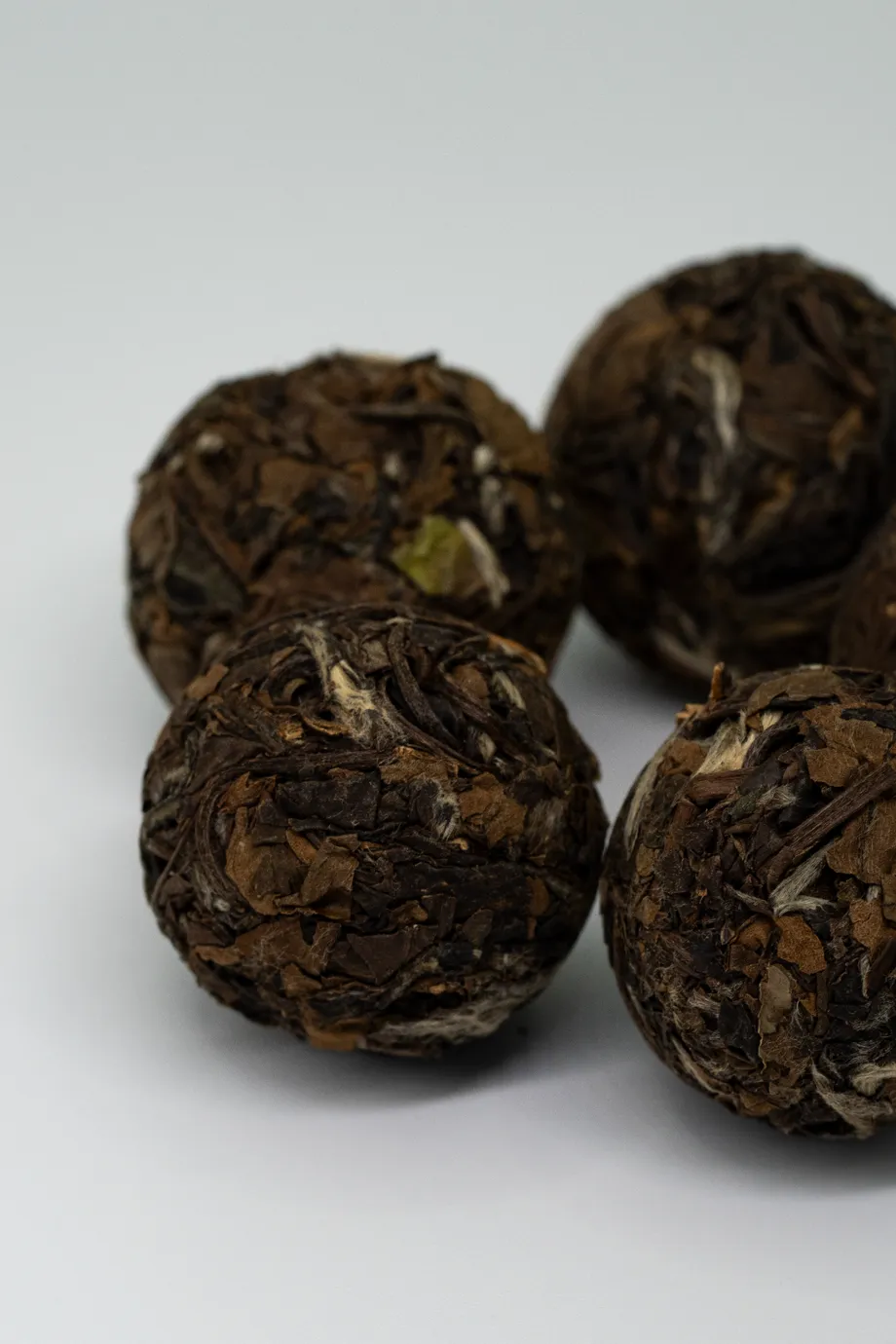
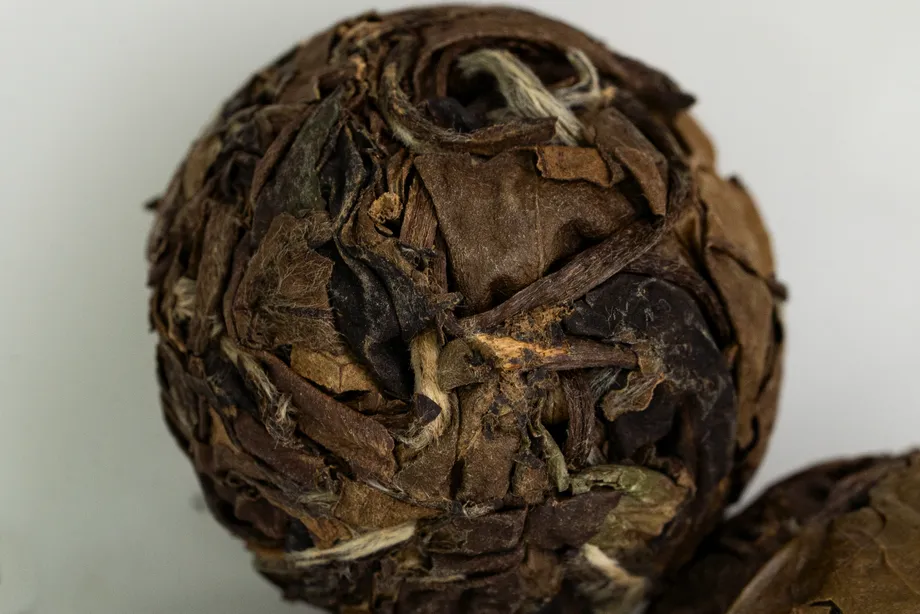
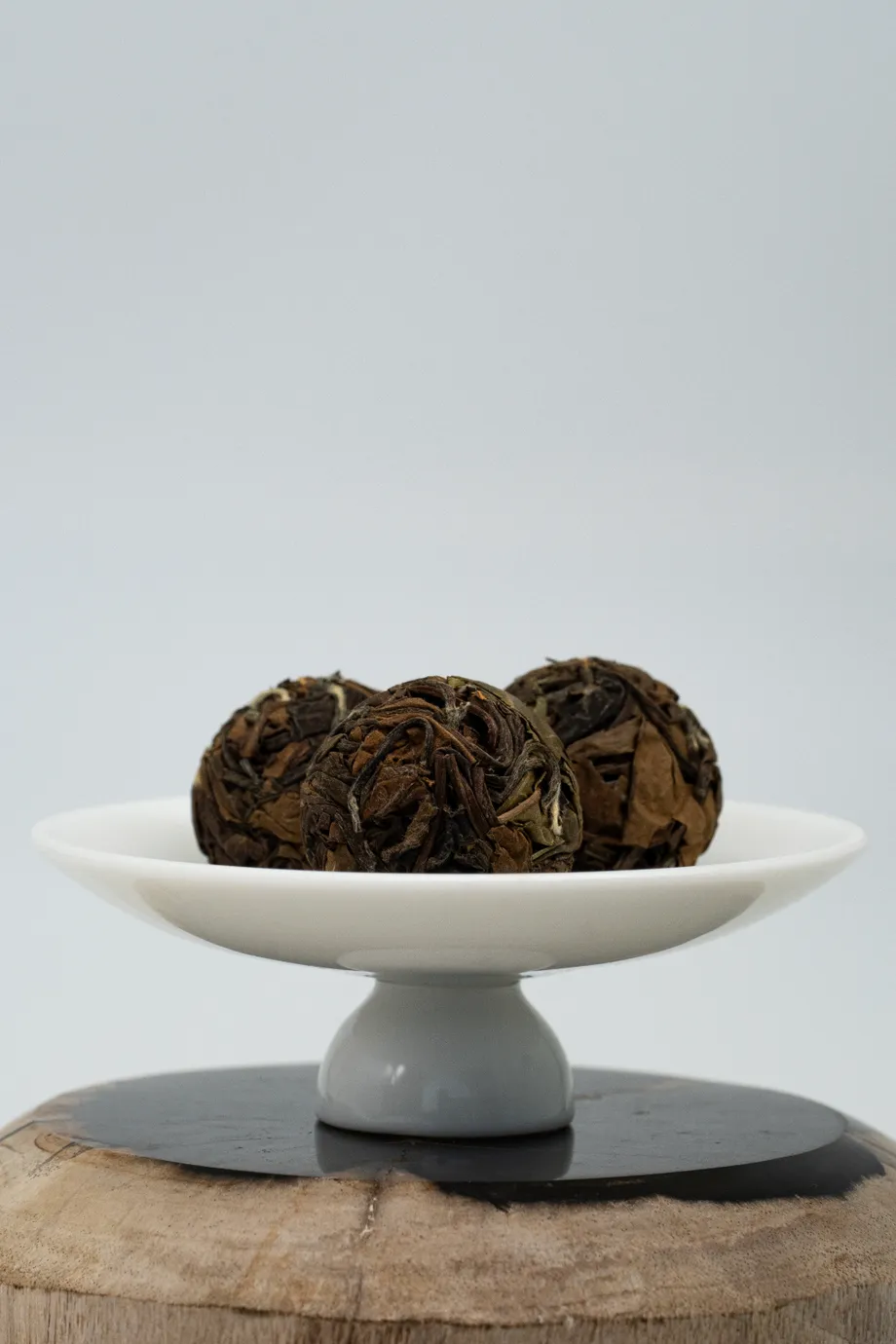
Báichá Lóngzhū
Studio preview
Báichá Lóngzhū
Studio preview
Báichá Lóngzhū
Studio preview
Báichá Lóngzhū
Studio preview
Báichá Lóngzhū
Studio preview
Báichá Lóngzhū
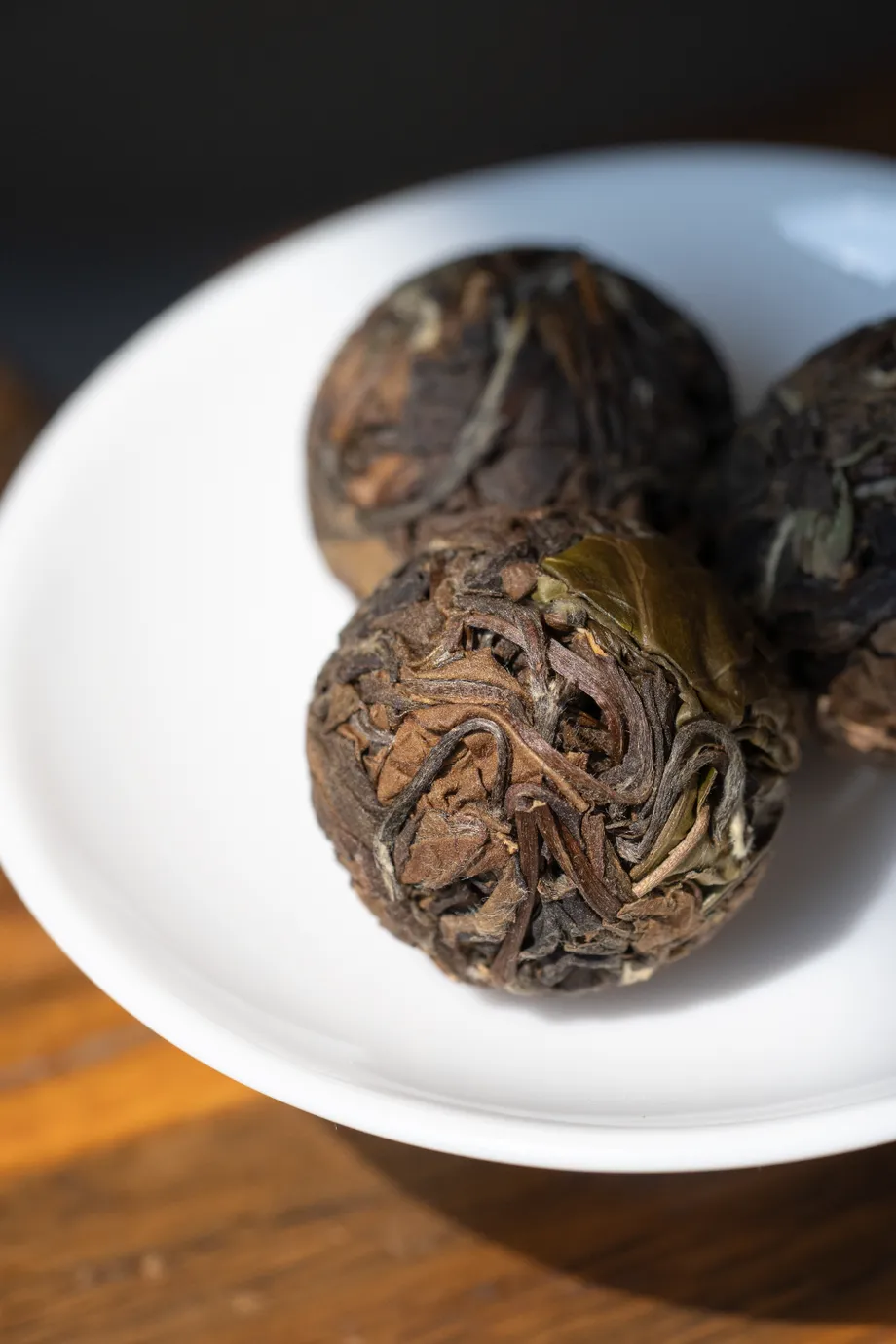
Studio preview
Báichá Lóngzhū
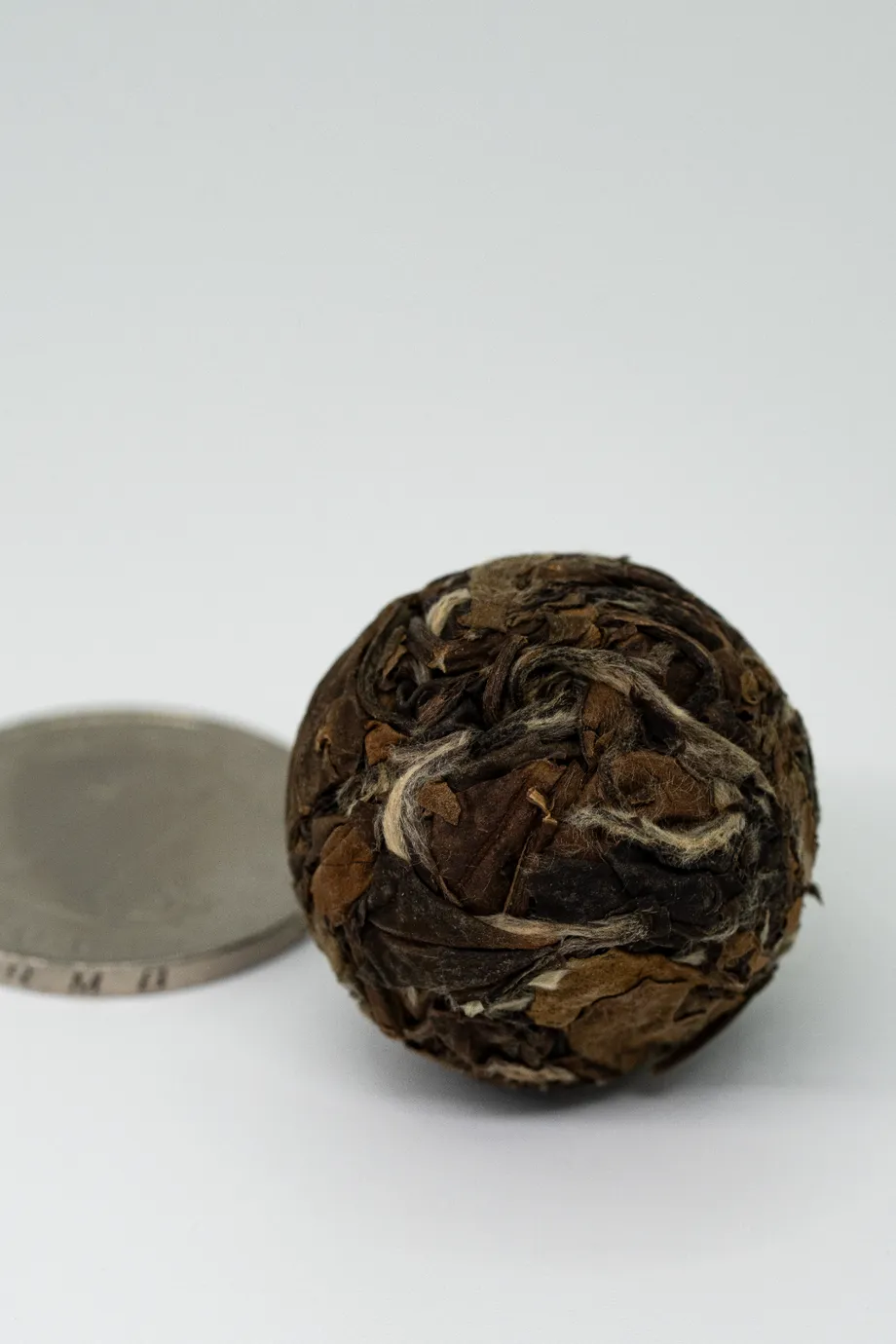
Studio preview
Báichá Lóngzhū
Gaiwan
Báichá Lóngzhū白茶龙珠
báichá lóngzhū
- Origin
- China, Fújiàn Province (福建, Fújiàn), predominantly Fúdǐng County (福鼎,...
- Tea type
- White Tea
- Water temperature
- 75 °C
- Gongfu water temperature
- 75 °C
SKU · BAICHA-LONGZHU-CN
Tea dossier
Provenance and specifications
- Origin
- China, Fújiàn Province (福建, Fújiàn), predominantly Fúdǐng County (福鼎, Fúdǐng)—the birthplace of most famous white teas
- Tea type
- Gaiwan
- SKU
- BAICHA-LONGZHU-CN
Brewing recipes
- Gongfu: 75°C, 5 g / 100 ml, 10s, 4 steeps
- Western: 65°C, 2 g / 200 ml, 180s, 2 steeps
Tea dossier
Brewing, origin and taste notes
Brewing
- Tea amount
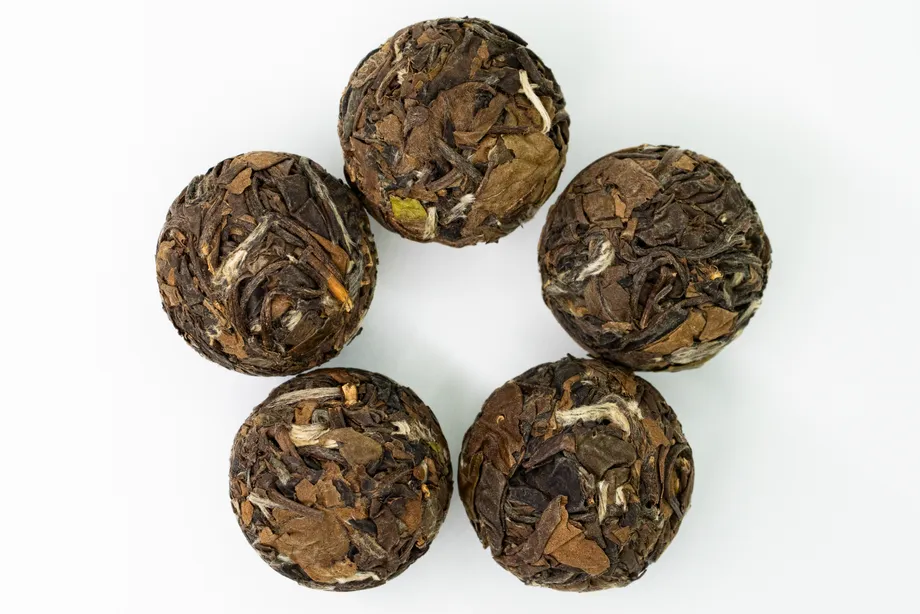
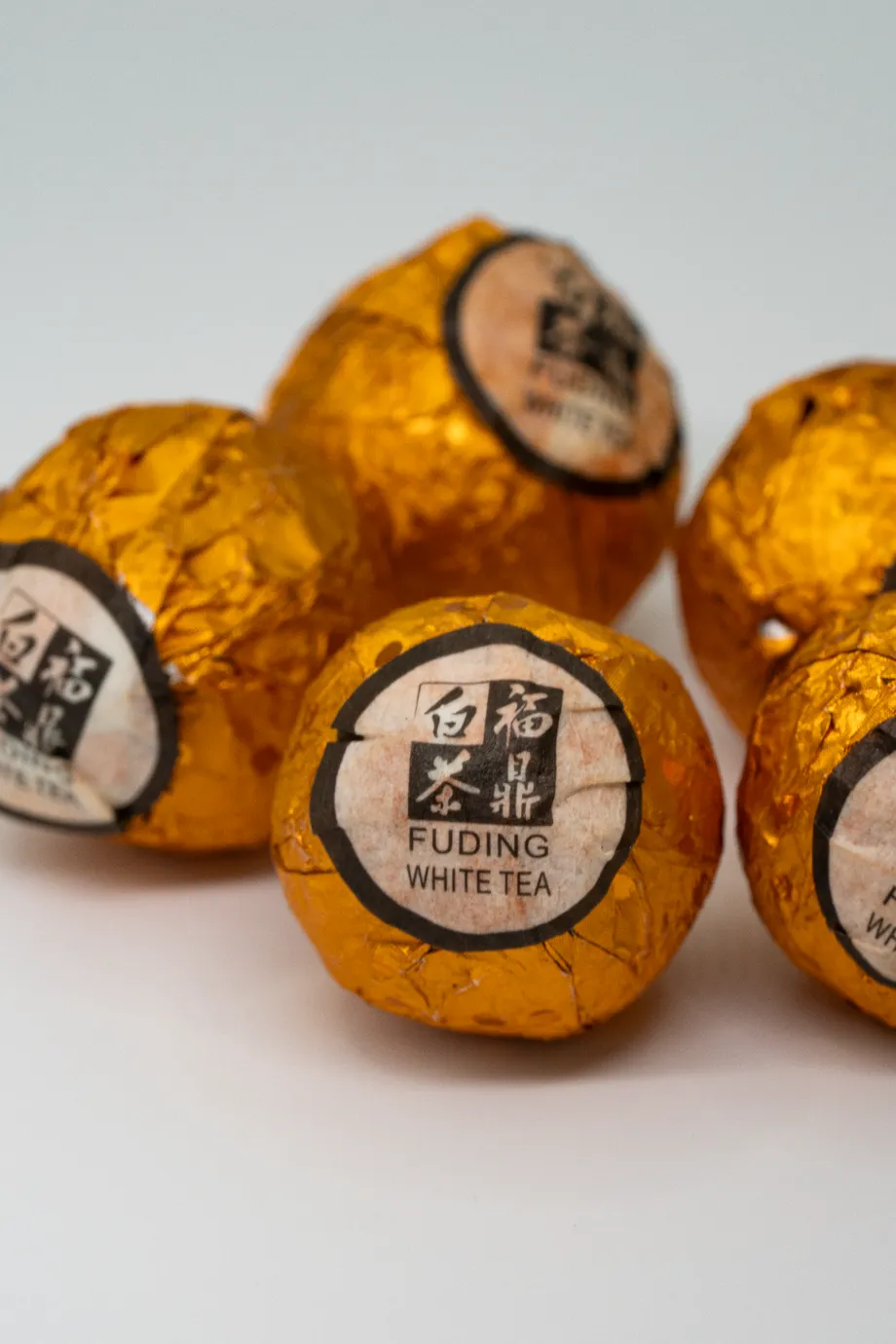
- 1–2 pearls (5–8 g) per 150–200 ml of water. One pearl equals one full portion, which is the main practical advantage of this form.
- Water temperature
- 75 °C
- Gongfu water temperature
- 75 °C
- Tea amount
- 5 g
- Gongfu water volume
- 100 ml
- Tea-to-water ratio
- 10 s
Origin
- Tea type
- White
- Soil
- Acidic red-yellow soils (pH 4.5–5.5), rich in organic matter and mineral elements. Well-drained, with high iron and aluminum content. Geological foundation—granite and volcanic ...
Taste
- Dry Leaf Aroma
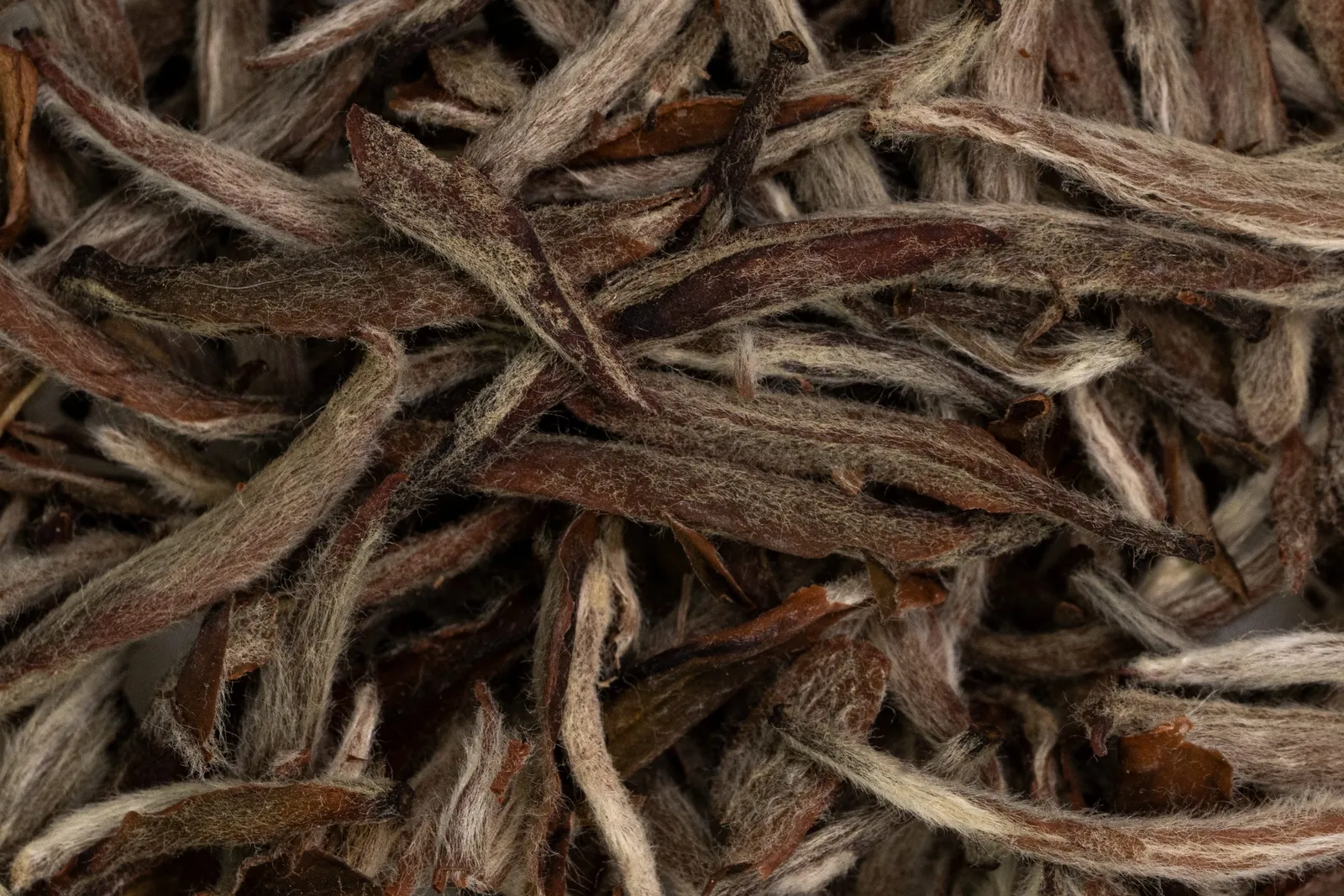
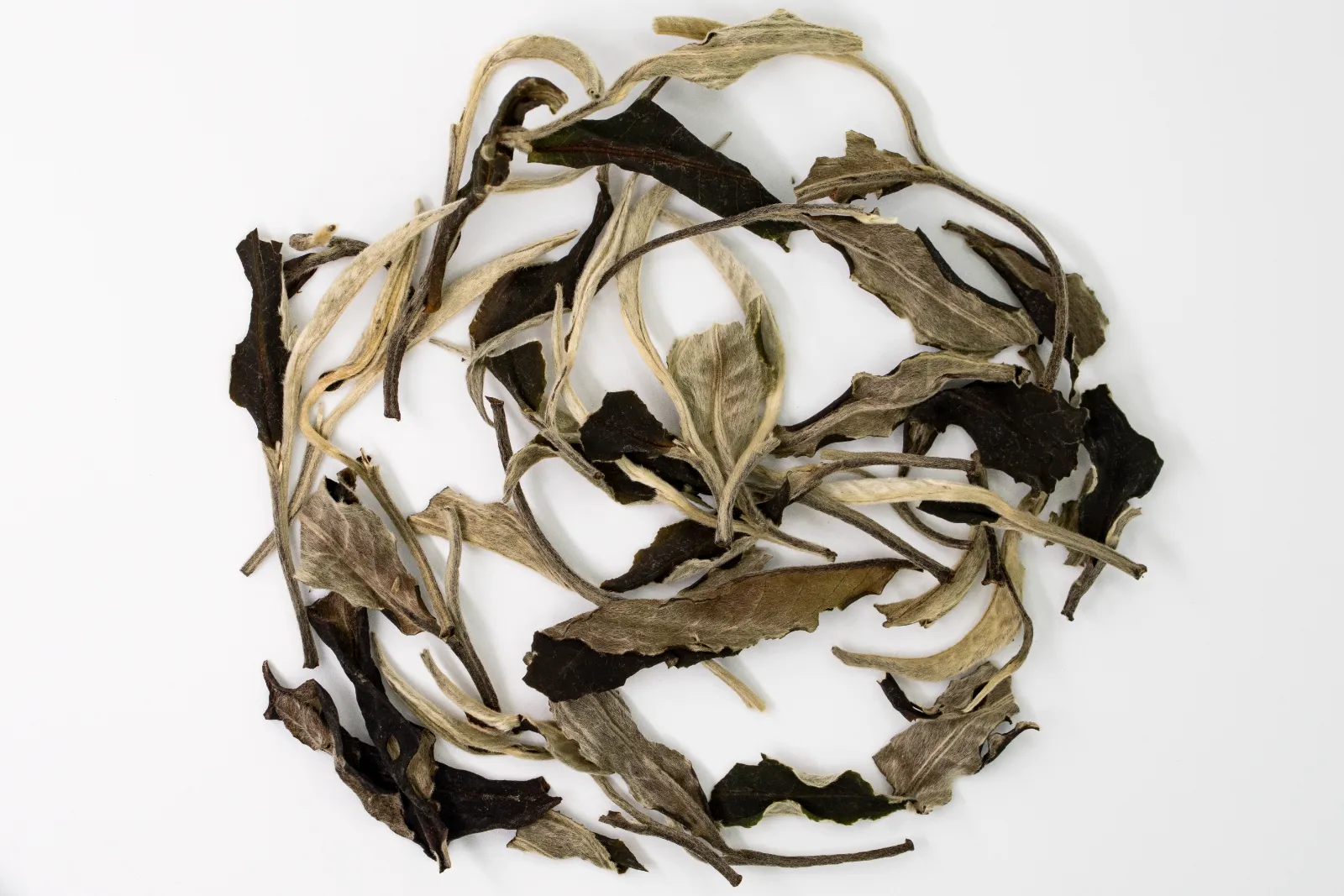
- Fresh, delicate, sweetish. Floral notes dominate (peony, lily of the valley, honeysuckle) with a honey base and light fruity nuances (apricot, white peach). The aroma is delicat...
- Liquor Aroma
- Bright, voluminous, floral-honey, with fruity tones (white peach, ripe melon) and subtle creamy nuances in the first infusions. As infusions develop, gentle sweet notes of dry h...
- Liquor Color
- Light yellow with golden tint, transparent, clear, with pronounced brilliance.
- Sensory Source Descriptor Cz Intensity
- 2
- Sensory Source Descriptor H Intensity
- 2
- Sensory Source Descriptor L Intensity
- 3
Details
- Cultivar
- For producing Baicha Longzhu, classic white tea cultivars from Fujian Province are used:
- Picking
- Early spring, usually March to early April, before or shortly after the Qīngmíng festival (清明, Qīngmíng).
- Alkaloids
- Caffeine—2–3% of dry mass (15–25 mg per 150 ml cup with standard brewing). Theobromine and theophylline are also present in small amounts.
- Essential Oils
- Linalool, geraniol, nerolidol, β-ionone and other aromatic compounds forming the floral-honey profile.
- Minerals
- Potassium, fluorine, magnesium, zinc, manganese, selenium.
- Vitamins
- Vitamin C (preserved better than in green teas due to absence of high-temperature processing), B₁, B₂, E.
FAQ
Questions & answers
No published questions and answers yet.
Customer reviews
No reviews yet. Be the first to share your experience.
Write a review
Sign in to check whether this purchase is eligible for a review.
Where to buy
Buy this tea
Verified sellers and regional availability are resolved from the commerce network before any external seller page opens.
Seller trust: Only verified commerce-network records are shown; retailer identity, terms and freshness remain visible before you follow a route.
Verified offers are being prepared
Region coverage: China, Fújiàn Province (福建, Fújiàn), predominantly Fúdǐng County (福鼎, Fúdǐng)—the birthplace of most famous white teas
No verified public offer is available for this product yet. Add the tea to your request or check again after the retailer network sync.
Open the shopMore to explore